Every winter, dog owners ask the same question: does my dog actually need a coat, or is it just something cute people buy for photos?
The honest answer is, it depends on your dog. Some dogs are built for freezing temperatures and barely notice the cold. Others start shivering the second they step outside like winter is personally offensive.
So instead of a simple yes or no, let’s break it down in a way that actually helps you decide.
Not All Dogs Experience Cold the Same Way
One of the biggest mistakes dog owners make is assuming all dogs handle winter the same way. But dogs are extremely different when it comes to temperature tolerance.
A Siberian Husky and a short-haired Chihuahua are basically living in different weather universes.
A dog’s ability to handle cold depends on:
- Coat thickness
- Body size
- Age
- Health
- Activity level
- Acclimation to cold climates
Once you understand these factors, the decision becomes much easier.
Dogs That Usually Do NOT Need a Coat
Some dogs are naturally built for cold weather and rarely need extra protection unless conditions are extreme.
Thick Double-Coated Breeds
Dogs with dense undercoats trap warm air close to their bodies, which acts like built-in insulation.
Examples include:
- Siberian Huskies
- Alaskan Malamutes
- Samoyeds
- Newfoundlands
- Bernese Mountain Dogs
These dogs often enjoy winter and may even overheat in coats unless temperatures are extremely low.
Naturally Cold-Adapted Working Dogs
Some breeds were literally developed to work in freezing conditions. Their fur and metabolism are designed for cold environments.
In many cases, these dogs are more comfortable in winter than summer.
Dogs That Often DO Need a Coat in Winter
Now let’s talk about the dogs that usually benefit from winter protection.
Small Dogs Lose Heat Faster
Small dogs have a high surface-area-to-body-mass ratio, which means they lose heat quickly.
Common examples:
- Chihuahuas
- Toy Poodles
- Mini Dachshunds
- Yorkies
Even short walks in cold weather can make them visibly uncomfortable.
Short-Haired Dogs Have Little Insulation
Dogs without thick coats don’t have natural protection against wind or cold air.
Examples:
- Greyhounds
- Whippets
- Boxers
- Pit Bulls
- Dobermans
These dogs often start shivering quickly in winter conditions.
Senior Dogs Struggle More in Cold Weather
Older dogs may have:
- Slower circulation
- Joint stiffness
- Lower activity levels
Cold weather can make them less comfortable and even reduce mobility during walks.
Thin or Underweight Dogs
Dogs with less body fat have less natural insulation. They tend to feel cold faster and recover warmth more slowly.
How Cold Is “Too Cold” for Dogs?
This is where things get practical.
There is no single temperature that applies to every dog, but general guidelines help.
- Above 45°F (7°C): most dogs are fine
- 32°F to 45°F (0°C to 7°C): some dogs may need a coat
- Below 32°F (0°C): many dogs benefit from protection
- Below 20°F (-6°C): coats are strongly recommended for most non cold-adapted dogs
But temperature alone is not the full story.
Wind, moisture, and time outside matter just as much.
A dry 30°F day can feel very different from a windy, wet 30°F day.
Signs Your Dog Actually Feels Cold
Dogs do not always tell you directly, but they show clear behavioral signals.
Watch for:
Shivering
This is the most obvious sign your dog is cold.
Slowing Down or Refusing to Walk
If your dog suddenly becomes reluctant outdoors, cold may be the reason.
Lifting Paws Frequently
Cold pavement or snow can make paws uncomfortable.
Curling Up or Trying to Turn Back
Dogs often try to return home quickly when they are cold.
Whining or Restlessness
Some dogs vocalize discomfort instead of physically reacting.
If you consistently see these signs, a coat is usually a good idea.
What a Dog Coat Actually Does (Beyond Just Warmth)
A lot of people think dog coats are just about warmth, but they do more than that.
Wind Protection
Wind chill can make mild temperatures feel freezing.
Moisture Control
Wet fur loses insulation quickly, which is why rain and snow are so challenging.
Heat Retention
Coats help trap body heat close to the body.
Comfort During Movement
Some dogs feel more secure and stable when wearing a fitted coat.
So the goal is not just warmth. It is maintaining stable body temperature in changing conditions.
Nylon vs Fleece Dog Coats (Important Difference)
Not all coats are the same. Material choice matters a lot.
Nylon Dog Coats
Nylon coats are designed for outdoor protection.
They are best for:
- Rain and snow
- Windy conditions
- Active outdoor dogs
- Long walks or hikes
They typically include water resistance and stronger outer shells.
Fleece Dog Coats
Fleece coats focus on softness and comfort.
They are best for:
- Mild winter days
- Indoor warmth
- Short walks
- Sensitive dogs
Fleece feels cozy but does not handle wet weather well.
When You Probably Should Use a Coat
A coat is usually a good idea when:
- Temperatures drop below freezing
- Your dog shivers outside
- Walks are longer than a few minutes
- Snow, rain, or wind is present
- Your dog has short or thin fur
- Your dog is small or elderly
In these situations, a coat is not about fashion. It is about comfort and safety.
When You Probably Don’t Need One
You may not need a coat if:
- Your dog has a thick double coat
- Weather is mild
- Walks are short
- Your dog shows no signs of discomfort
- Your dog enjoys cold weather
Some dogs genuinely prefer cold air and will happily play in snow without any issues.
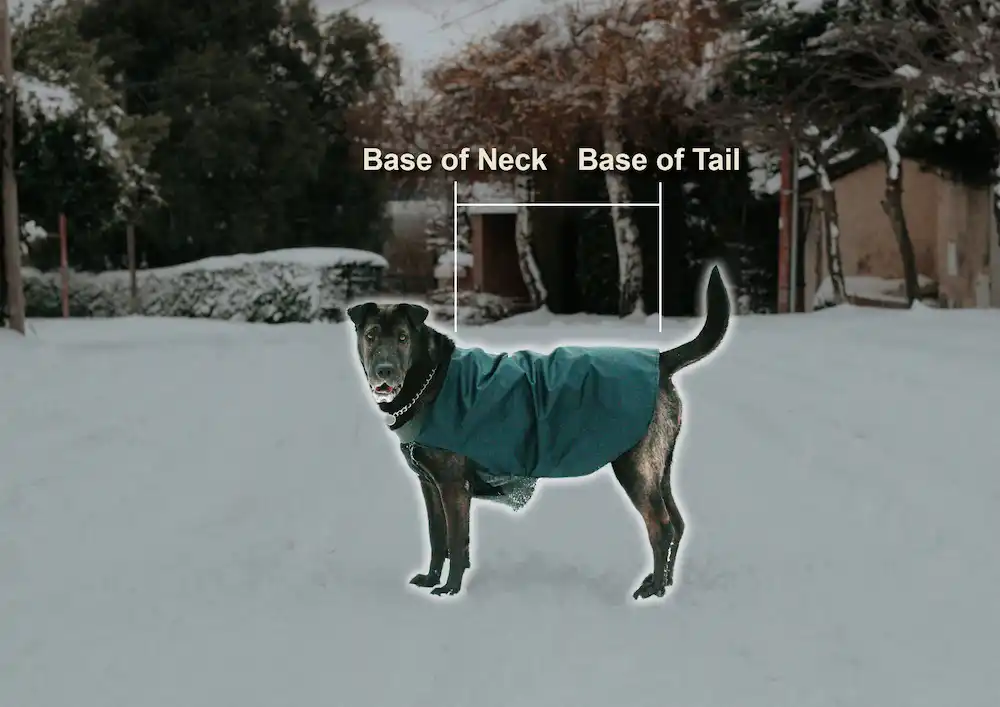
Fit Matters More Than People Think
A bad fit can make even a great coat useless.
A good winter coat should:
- Cover chest and back properly
- Allow natural movement
- Not slide around during walks
- Avoid rubbing under legs
- Fit snug but not tight
If a coat is uncomfortable, your dog will likely resist wearing it.
Why Quality Makes a Huge Difference
Cheap coats often fail quickly because of weak stitching, poor materials, and bad design.
Higher quality coats are built for real outdoor conditions, not just short-term use.
At Foggy Mountain Dog Coats, every coat is handmade in the USA with durability and comfort in mind. With over 35 years of experience, the focus has been on building coats that hold up through real winters, not just a single season.
Many customers even mention in reviews that their coats lasted through multiple dogs over the years, which is a rare level of longevity in pet gear.
The Real Answer to “Does My Dog Need a Coat in Winter?”
Here is the simplest way to decide:
Your dog likely needs a coat if:
- They are small, thin-coated, or senior
- They shiver or resist cold walks
- Weather is freezing, wet, or windy
Your dog may not need a coat if:
- They have a thick natural coat
- They enjoy cold weather
- Conditions are mild
- Walks are short and easy
Most dogs fall somewhere in between, which is why many owners adjust depending on weather conditions.
Final Thoughts
Winter is not the same for every dog. Some dogs are built for it. Others need help staying warm. Most are somewhere in the middle.
The best approach is to watch your dog, not just the thermometer.
If your dog is comfortable, confident, and happy outside, you are probably doing it right. If they are hesitant, shivering, or rushing back indoors, a coat might make winter a lot more enjoyable for both of you.