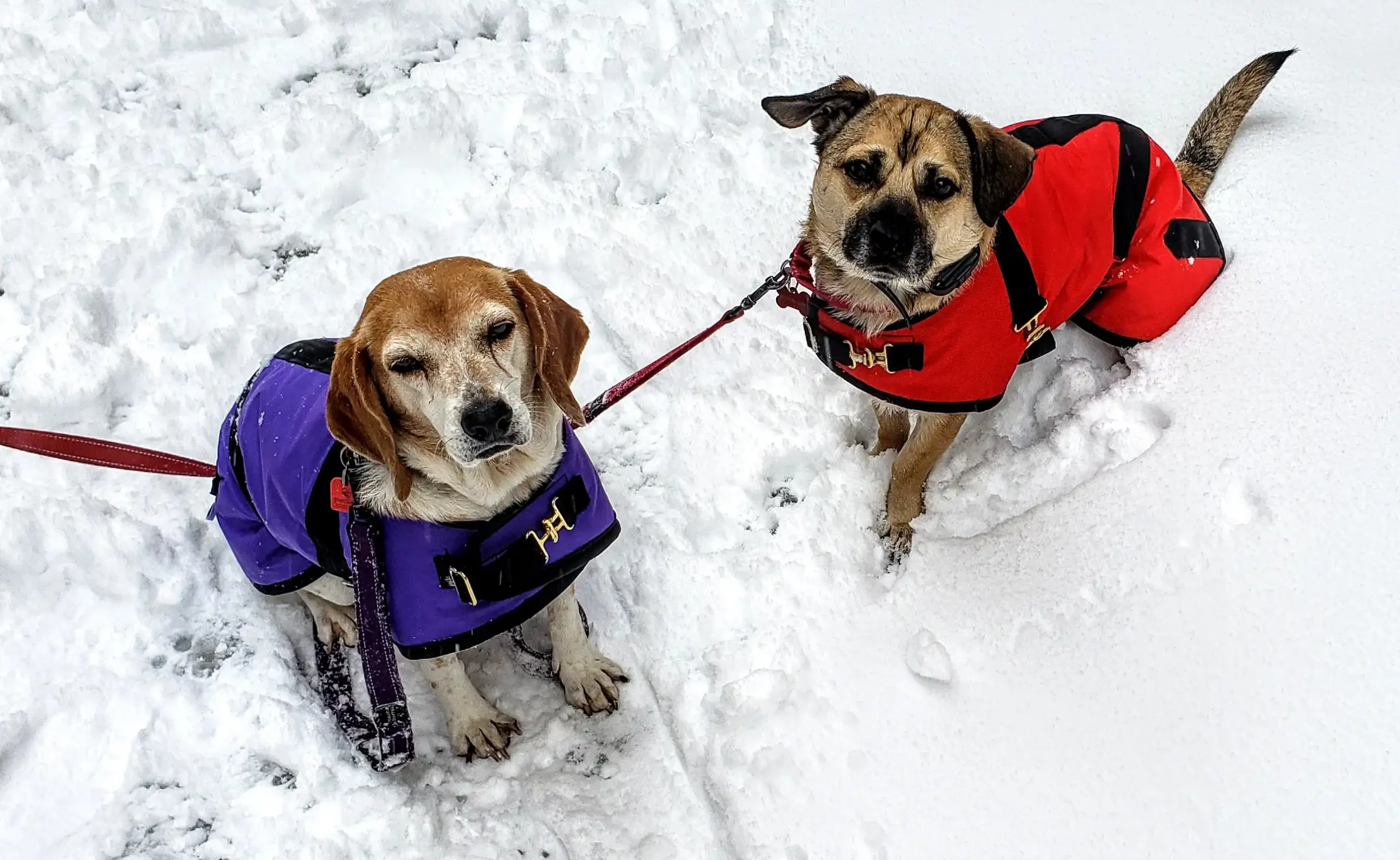
If you’ve ever bought a dog coat and wondered whether it should last one winter or five, you’re not alone. Some dog jackets seem to fall apart after a few muddy walks, while others somehow survive years of zoomies, rainstorms, and washing machine abuse. So what’s normal?
The truth is, the lifespan of a dog coat depends on several things including quality, materials, weather conditions, your dog’s activity level, and how often the coat gets washed. A cheap coat used every day by a high-energy dog will wear out much faster than a premium winter jacket used occasionally by a calm indoor pup.
In general, a good dog coat should last anywhere from 2 to 5 years with regular use. Higher-end coats can last even longer if they’re cared for properly.
In this guide, we’ll break down exactly how long dog coats last, what causes them to wear out faster, signs it’s time for a replacement, and how to make your dog’s coat survive for as long as possible.
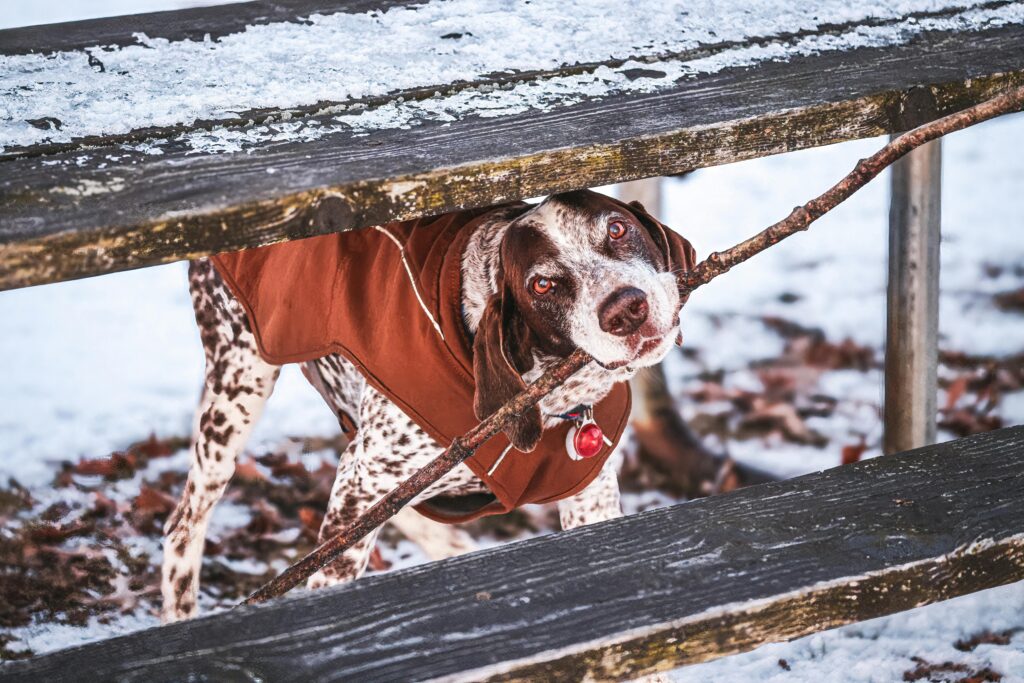
Why Some Dog Coats Last for Years While Others Fall Apart Fast
Not all dog coats are built the same. One of the biggest differences comes down to craftsmanship and materials. Mass-produced coats often prioritize low cost over durability, which is why many start fraying, losing insulation, or failing after just one or two seasons.
At Foggy Mountain Dog Coats, every coat is handmade in the USA with durability and comfort in mind. With over 35 years of experience making dog coats, the focus has always been on creating products that can actually hold up to real-life dogs, muddy adventures, cold winters, and daily walks.
One thing we hear from customers again and again in reviews is how incredibly long the coats last. Some customers even say their Foggy Mountain coats lasted through three generations of dogs. That kind of longevity is rare today and says a lot about quality construction, durable materials, and timeless design.
A well-made dog coat may cost a little more upfront, but when it lasts for years instead of months, it often ends up being the better value in the long run.
What Actually Wears Out a Dog Coat?
A dog coat goes through more punishment than most people realize. Dirt, rain, pulling, rolling, chewing, and washing all slowly break down the materials.
Here are the biggest factors that shorten a dog coat’s lifespan.
Frequent Washing
Washing a coat too often can wear down waterproof coatings, weaken stitching, and cause fabrics to lose shape. Many dog owners toss coats into the washer after every muddy walk, but over-washing can age the coat quickly.
If the coat only has light dirt, spot cleaning with a damp cloth is often enough.
Rough Outdoor Activity
Dogs that hike, run through forests, or play rough at parks put serious stress on coats. Branches can snag fabric, straps stretch out, and belly panels scrape against the ground.
Highly active dogs naturally wear through gear faster.
Cheap Materials
Low-cost dog coats often use thinner stitching, weaker Velcro, and less durable fabrics. They may look fine at first but start fraying after one season.
This is one of those cases where paying a little more upfront can actually save money long term.
Weather Exposure
Snow, rain, road salt, and UV rays all damage fabric over time. Waterproof layers especially tend to degrade after repeated exposure to moisture and freezing temperatures.
If you live somewhere with harsh winters, your dog’s coat will likely age faster.
Improper Storage
Stuffing a wet dog coat into a closet or leaving it crumpled in a car can lead to mold, odors, and damaged fabric. Coats stored properly usually last much longer.
Signs Your Dog’s Coat Needs Replacing
Some wear and tear is completely normal. A few scratches or faded fabric don’t necessarily mean the coat is done for. But there are certain signs that indicate it’s time for an upgrade.
The Insulation Feels Flat
Winter coats lose warmth over time as insulation compresses. If the coat feels thin or your dog seems cold despite wearing it, the insulation may no longer work properly.
Waterproofing Stops Working
If rain starts soaking through instead of beading off the surface, the waterproof layer may be failing.
Sometimes waterproof sprays can restore protection temporarily, but eventually the fabric wears out completely.
Broken Straps or Fasteners
Velcro that no longer sticks or buckles that constantly pop open can make the coat frustrating to use. Once the closure system starts failing, the fit and safety of the coat can suffer.
Tears Around Stress Points
Look closely near the chest, belly straps, neck area, and leg openings. These areas take the most pressure during walks and movement.
Small tears often spread quickly once they start.
Your Dog Has Outgrown It
This one sounds obvious, but many owners keep using coats that no longer fit properly. A tight coat can restrict movement and rub against the skin.
If your dog has gained weight, filled out, or become fluffier over time, they may need a new size.
Does a More Expensive Dog Coat Last Longer?
Usually, yes.
Premium dog coats are generally made with tougher materials, better stitching, stronger waterproofing, and more durable fasteners. They’re designed to survive years of use instead of just one season.
That doesn’t mean every expensive coat is automatically amazing, though. Some brands charge extra mainly for style or trends.
When comparing coats, look for features like:
- Reinforced stitching
- Ripstop fabric
- Durable buckles
- Machine washable materials
- Adjustable straps
- Strong waterproof ratings
- Reflective safety details
A well-made coat often pays for itself over time because you replace it less often.
How to Make a Dog Coat Last Longer
The good news is that a few simple habits can dramatically extend the life of your dog’s coat.
Wash It Properly
Always check the care label first. Many dog coats need cold water and gentle cycles.
Avoid harsh detergents and fabric softeners since they can damage waterproof materials.
Air drying is usually safer than high heat drying.
Rotate Between Coats
If your dog wears a coat every day, having two coats helps reduce wear on each one. This is especially useful during rainy seasons when coats need time to fully dry.
Let It Dry Completely
Never store a damp coat. Hang it up after walks so moisture doesn’t get trapped inside.
This helps prevent mildew and bad smells too.
Clean Mud Quickly
Dried mud can grind into fabric fibers over time. Brushing dirt off before it hardens keeps the material in better condition.
Check for Small Repairs Early
Loose stitching and tiny tears are much easier to fix before they become major damage. A quick repair can add months or even years to a coat’s lifespan.
Are Waterproof Dog Coats Less Durable?
Not necessarily, but waterproof coatings do wear down eventually.
Most waterproof dog jackets rely on special surface treatments that slowly fade after repeated washing and heavy use. This doesn’t mean the whole coat is ruined, but its water resistance may weaken over time.
Some higher-end waterproof coats allow you to refresh the coating using waterproof treatment sprays.
If your dog spends a lot of time outdoors in wet weather, expect waterproof performance to gradually decline after a few years.
How Many Dog Coats Should a Dog Have?
A lot of dog owners eventually end up with multiple coats for different situations.
A common setup looks like this:
- One heavy winter coat
- One lightweight raincoat
- One sweater or fleece for cool indoor days
Having different options not only keeps your dog more comfortable, but also helps each coat last longer since they aren’t being overused.
Is It Better to Repair or Replace a Dog Coat?
Minor issues are usually worth repairing.
Things like:
- Loose stitching
- Small tears
- Weak Velcro
- Missing buttons
can often be fixed cheaply.
But if the insulation is worn out, waterproofing is gone, or the fit no longer works, replacement is usually the better option.
At some point, repairs start costing more time and money than simply buying a better coat.
The Best Dog Coats Usually Balance Durability and Comfort
One mistake some owners make is focusing only on toughness. A super rugged coat doesn’t help much if the dog hates wearing it.
The best dog coats balance:
- Warmth
- Comfort
- Flexibility
- Durability
- Easy cleaning
- Weather resistance
A coat that fits well and feels comfortable is more likely to get regular use and last longer because it isn’t constantly being tugged or adjusted.
Final Thoughts
So, how long should a dog coat last?
For most dogs, a quality coat should comfortably survive 2 to 5 years of regular use. Premium coats may last even longer with proper care. The biggest factors are material quality, weather exposure, washing habits, and how rough your dog is during outdoor adventures.
If you want your dog’s coat to last, focus on proper fit, gentle cleaning, and storing it correctly between uses. A little maintenance goes a long way.
And honestly, if your dog somehow manages to destroy every coat within months, there’s a decent chance they’re treating winter walks like an extreme sport.